Skip to content

History of Trinidad Carnival

Carnival in Trinidad is a story about freedom. Learn where the mud, the devils, the drums and the dawn procession come from, and the road will make a lot more sense.

Image credit: Carnaval.com Studios, via Flickr, CC BY 2.0

Why the history matters

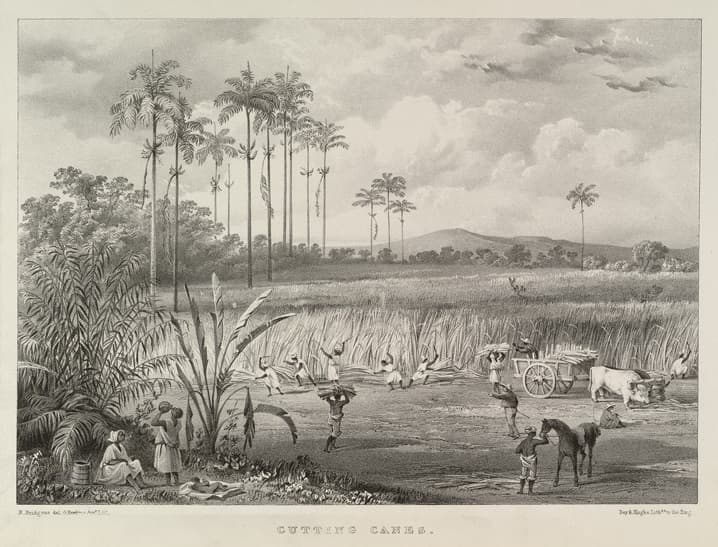
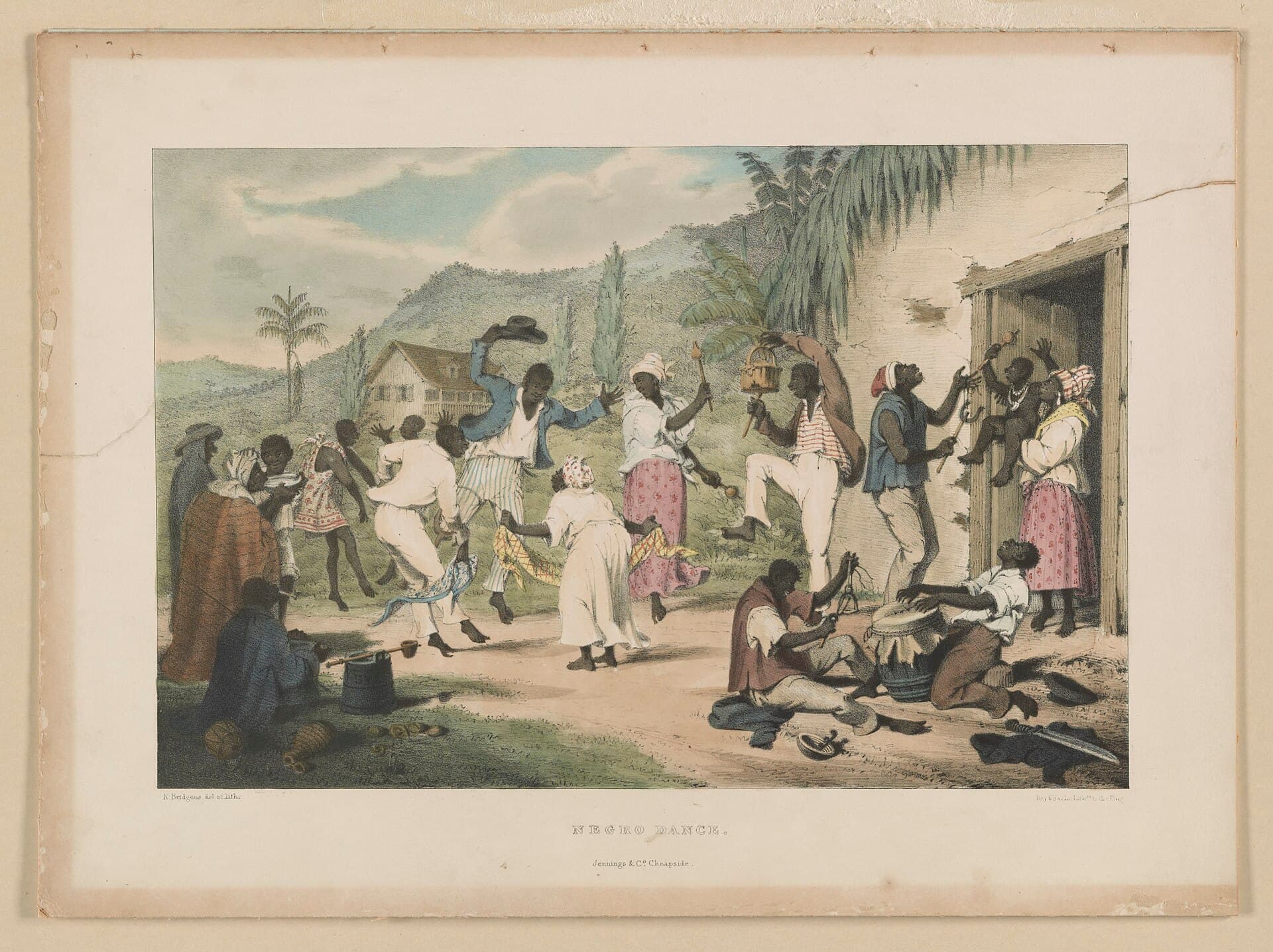
Carnival did not arrive in Trinidad fully formed. It started as a season of masked balls for French Creole planters, and it was the people they had enslaved who, after emancipation, took it into the streets and made it their own.

Much of what you see on Carnival Monday and Tuesday traces back to that long struggle over who owned the streets. Knowing the story will not change how hard you wine, but it will change what you notice.

More stories from the archive

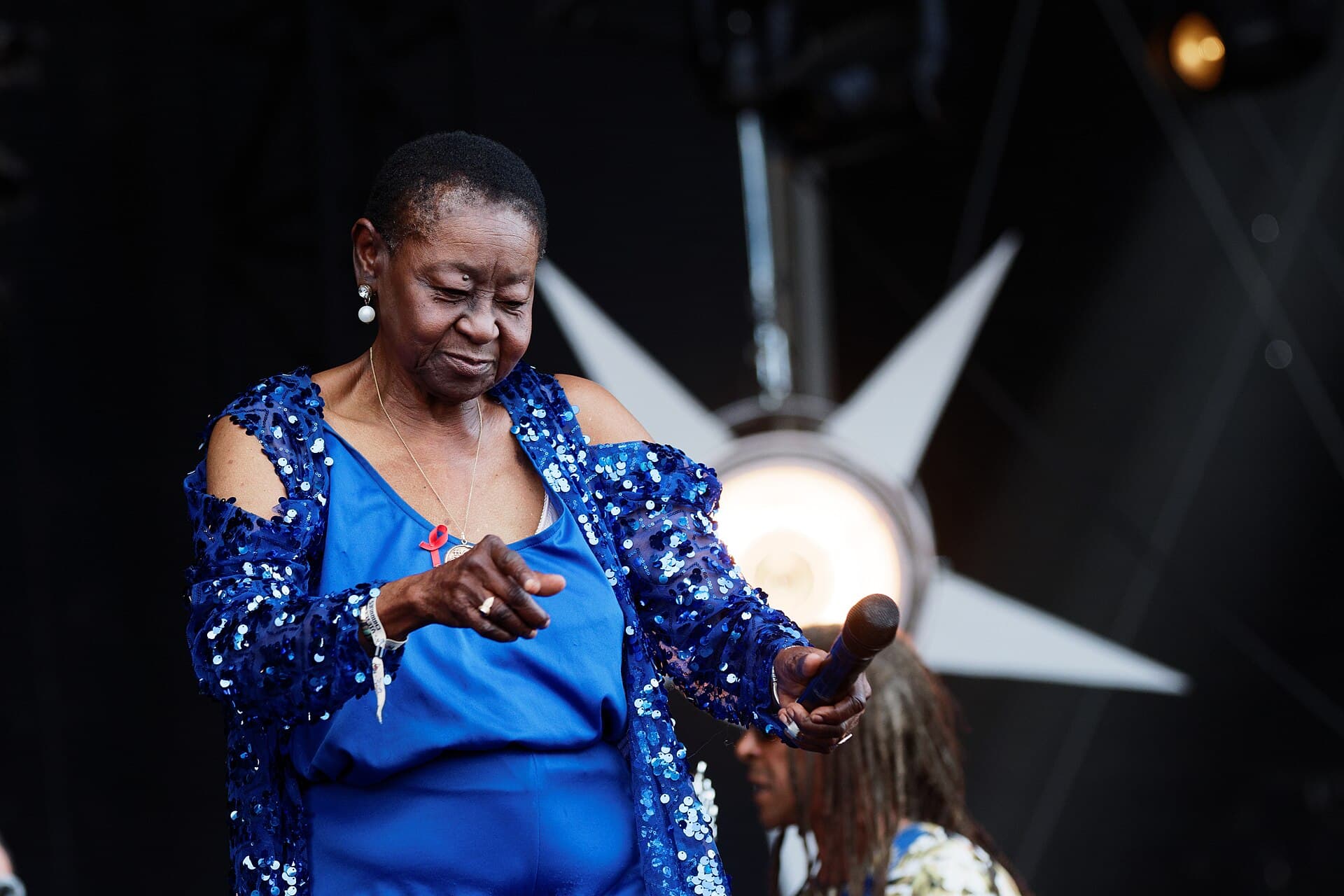
  • Calypso Rose performing on an outdoor festival stage in 2016, wearing a blue top and a blue sequinned jacket, microphone in hand and smiling as she dances.

    Music

    From Calypso to Soca: The Sound of Trinidad Carnival

    How kaiso grew from the chantwell's call into calypso, how Lord Shorty invented soca in the 1970s, and how the Road March, Soca Monarch and stars from Kitchener to Machel shaped the soundtrack of Carnival.

    8 min read

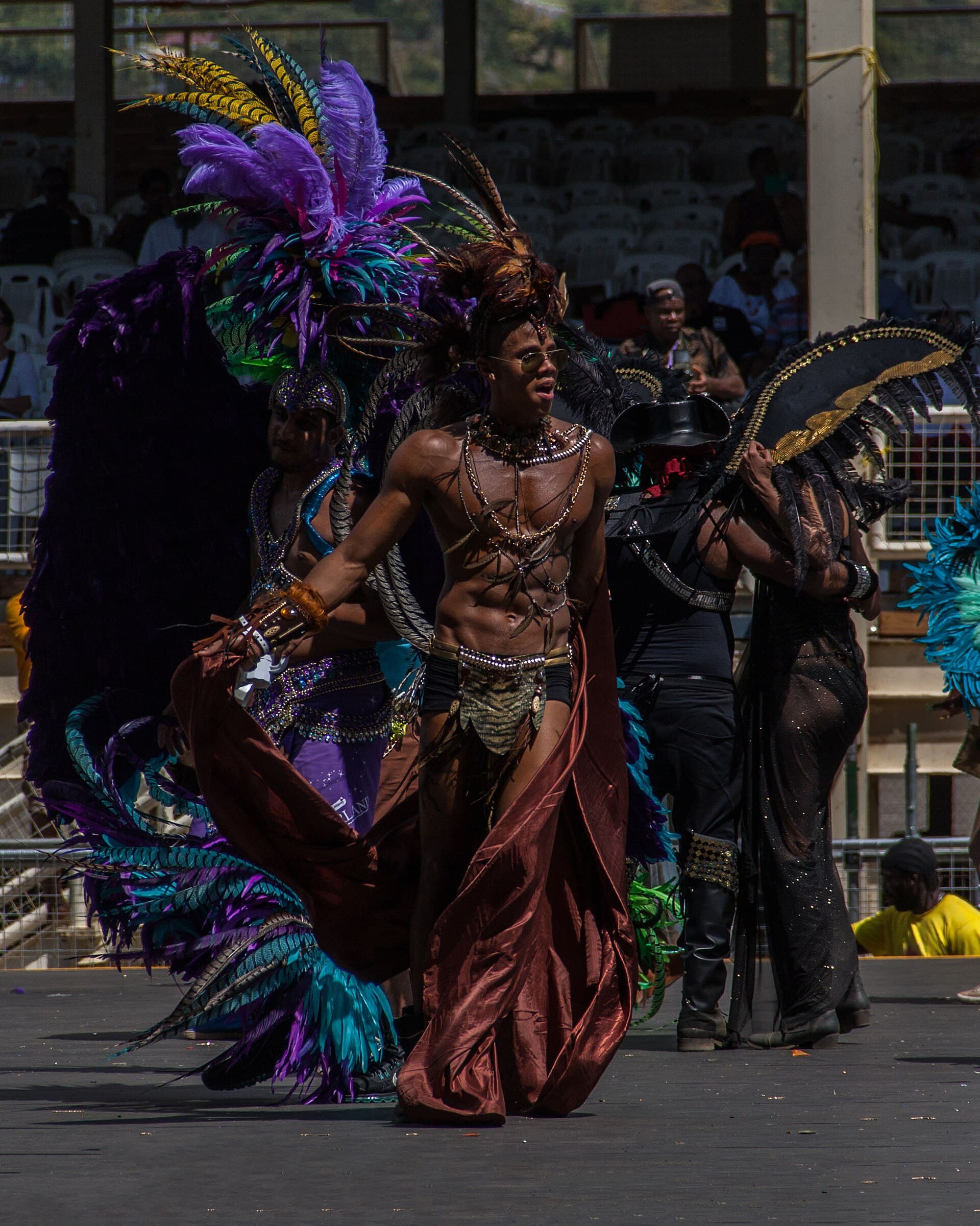
  • Masqueraders in towering purple, teal and black feathered costumes cross a stage during the Parade of the Bands at Trinidad Carnival 2015, with a man in a beaded harness and flowing bronze cape in front.

    Mas

    The Evolution of Pretty Mas

    From Harold Saldenah's Roman legions and George Bailey's Africa to Wayne Berkeley's fantasy, Peter Minshall's theatre and today's bikini-and-beads all-inclusive bands: how pretty mas changed, and why people still argue about it.

    6 min read

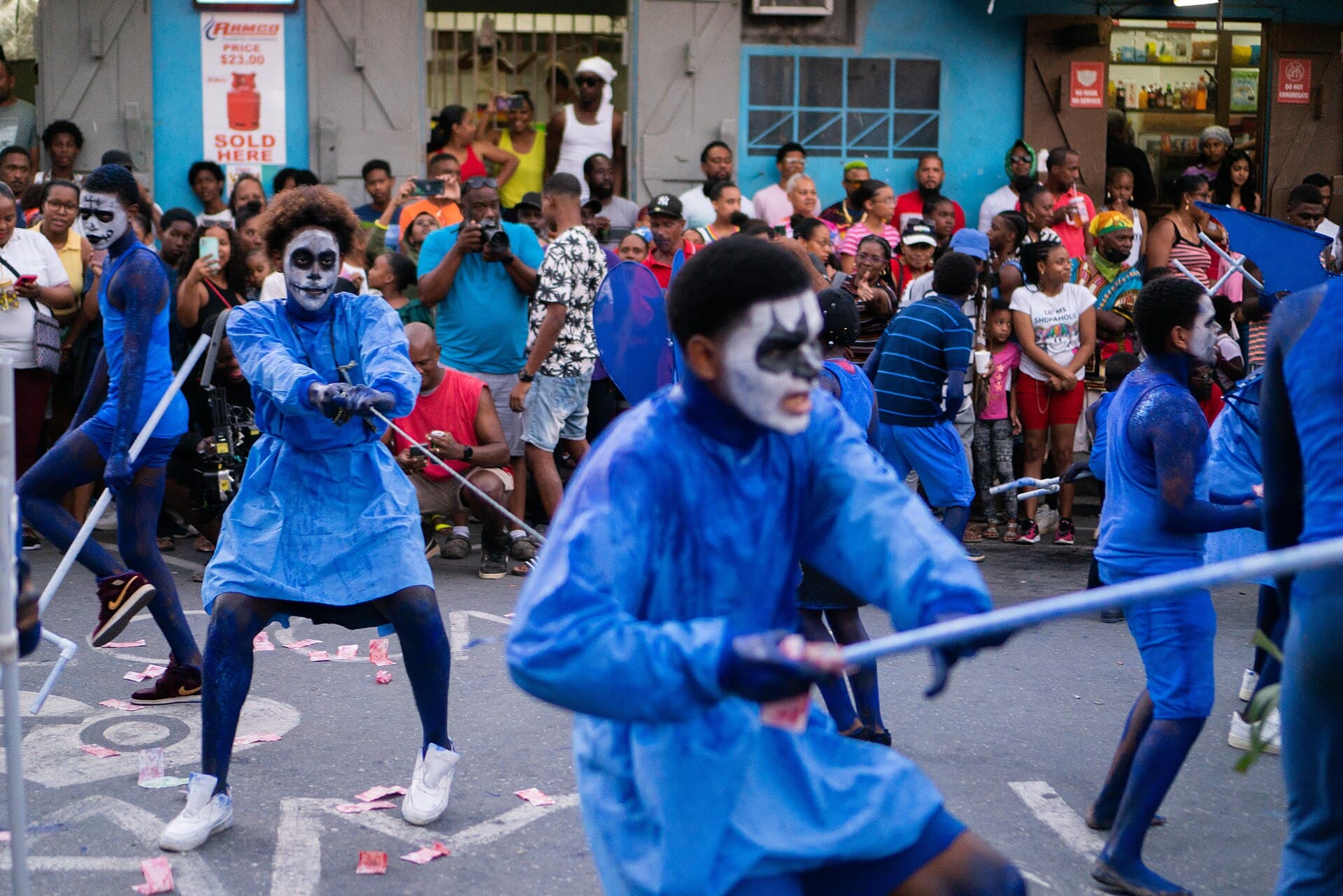
  • Young blue devil masqueraders at the Junior Jab competition in Paramin, Trinidad, in February 2023, dressed and daubed in blue with faces painted white like skulls, holding long poles in the street as a crowd of onlookers watches from the roadside

    Traditions

    Traditional Mas Characters of Trinidad Carnival

    Meet the devils, jesters, robbers and stilt walkers of old-time mas: who the Jab Jab, Dame Lorraine, Midnight Robber, Moko Jumbie and friends are, where they came from, and how to enjoy them today.

    9 min read

From plantation masquerade to the modern road

The story starts here. The full timeline follows 29 turning points, each one with its sources.

Open the timeline
  1. 1783ColonialThe Cedula of Population
  2. 1834EmancipationEmancipation and the first Canboulay
  3. 1838EmancipationFull freedom, and Canboulay moves to Carnival
  4. 1881EmancipationThe Canboulay riots
  5. 1883-1884EmancipationDrums silenced, Canboulay banned
Young blue devil masqueraders at the Junior Jab competition in Paramin, Trinidad, in February 2023, dressed and daubed in blue with faces painted white like skulls, holding long poles in the street as a crowd of onlookers watches from the roadside

Meet the old-time characters

Meet the devils, jesters, robbers and stilt walkers of old-time mas: who the Jab Jab, Dame Lorraine, Midnight Robber, Moko Jumbie and friends are, where they came from, and how to enjoy them today.

Image credit: Lesley Granderson, via Wikimedia Commons, CC BY-SA 4.0